About Us
- Home
- About Us
Who is CIPO?
Cambodia Indigenous Peoples Organization (CIPO) is a local, non-governmental, and not-for-profit organization that officially registered at the Ministry of Interior of the Kingdom of Cambodia, on 30 June 2014 (registration number 1352 ស.ជ.ណ). It was initiated and founded by Mrs. Yun Mane, an Indigenous Peoples, supported (technical, emotional, resources) by Mr. Chea Phalla, Mr. Sek Sophorn, and young Indigenous Peoples such as Ms. Lat Sok Em and Mr.Vanna. CIPO was established to be an Indigenous Peoples’ led organization, mobilizing different Indigenous groups to work together for the common benefits of all Indigenous Peoples in Cambodia. The objectives of CIPO are to strengthen capacity and support initiatives of Indigenous Peoples (IPs) on land, natural resource management, conservation of identity and culture, and socio-economic development. CIPO operates in a wide geographic area in Cambodia, covering 16 capital/provinces who Indigenous Peoples’ resident.
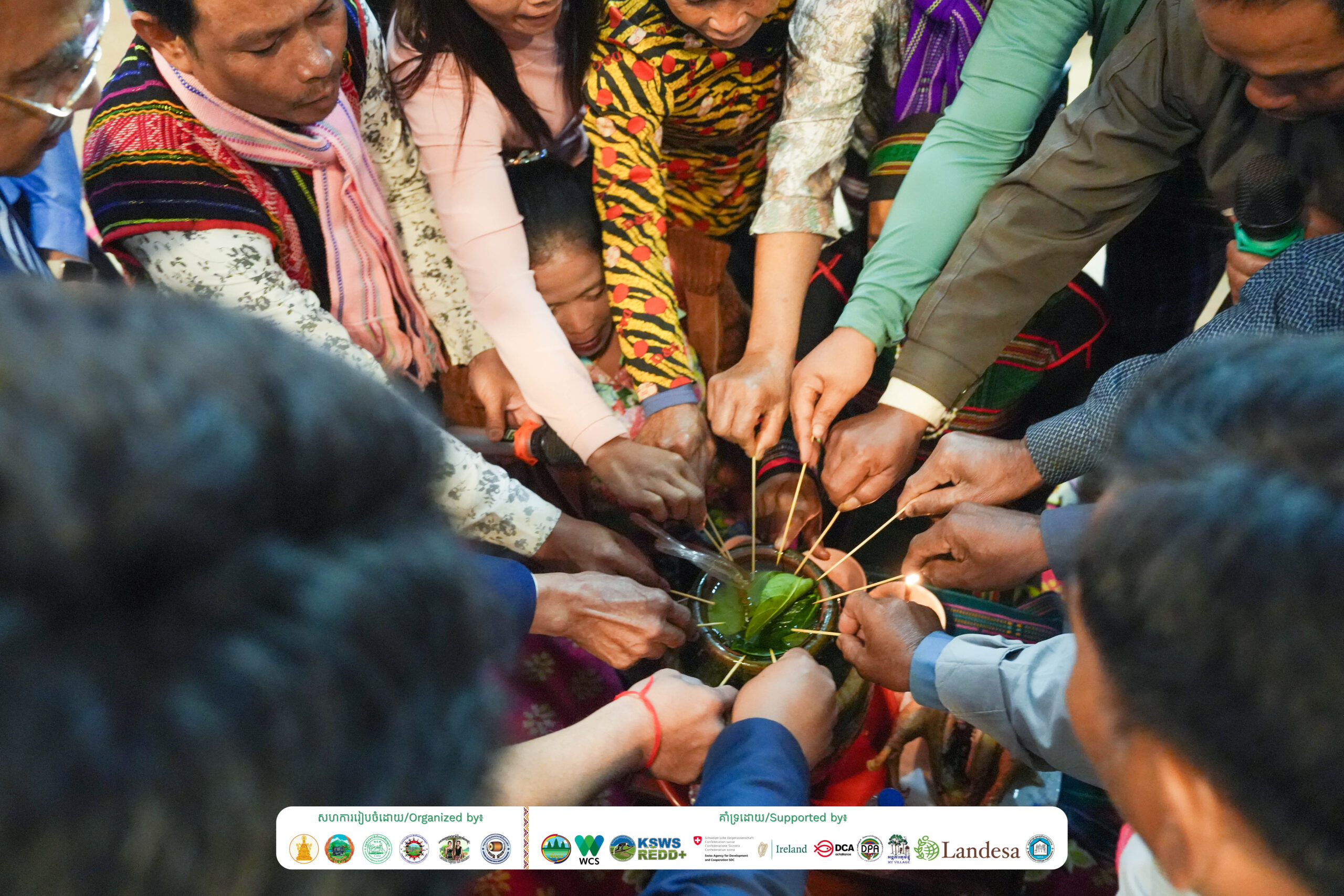
Our identity
Cambodia Indigenous Peoples Organization (CIPO) is an Indigenous Peoples – led organization, mobilizing diverse Indigenous Peoples to work together for the interests of Indigenous Peoples and all humanity.
Our Mission
The mission of CIPO is to advocate for existence and enforcement of legal framework relevant to IPs, promote empowerment of collective Indigenous communities, and build partnership with other organizations/actors, in order to receive recognition, respect, and protection of rights and common benefits for Indigenous Peoples in Cambodia.
Our Vision
Indigenous Peoples in Cambodia have full rights to self-determination, living with prosperity and harmony
IPs-led Organization
CIPO’s Identity, Mission,Vision
Moreover, if you want to read more details, please visit our publication page.
CIPO’s Core Values
1. Respect diversity and common benefits
Non-discrimination behaviours, recognise differences of ethnic groups, culture, gender, LGBTIQ, persons living with disabilities, etc. All staff need to think and act for community benefits or the common benefits of all Indigenous Peoples
2. Indigenous peoples led development
Support Indigenous Peoples to work together to identify their problems, set their goal, and self-determine their solutions.
3. Learning and enhance confidence
All staff are committed to learn and continuously improve their capacity, by learning from all possible sources, including peer workers, supervisor, advisors and capacity development experts.
4. Integrity and professionalism
Staff could always explain that their actions follow policies or plans. Staff admit high ownership and dare to take responsibility for all their actions and decisions.
5. Accountability and responsibility
Staff could always explain that their actions follow policies or plans. Staff admit high ownership and dare to take responsibility for all their actions and decisions.

